
Do You Remove the License Plates When You Sell a Car?
July 9, 2026
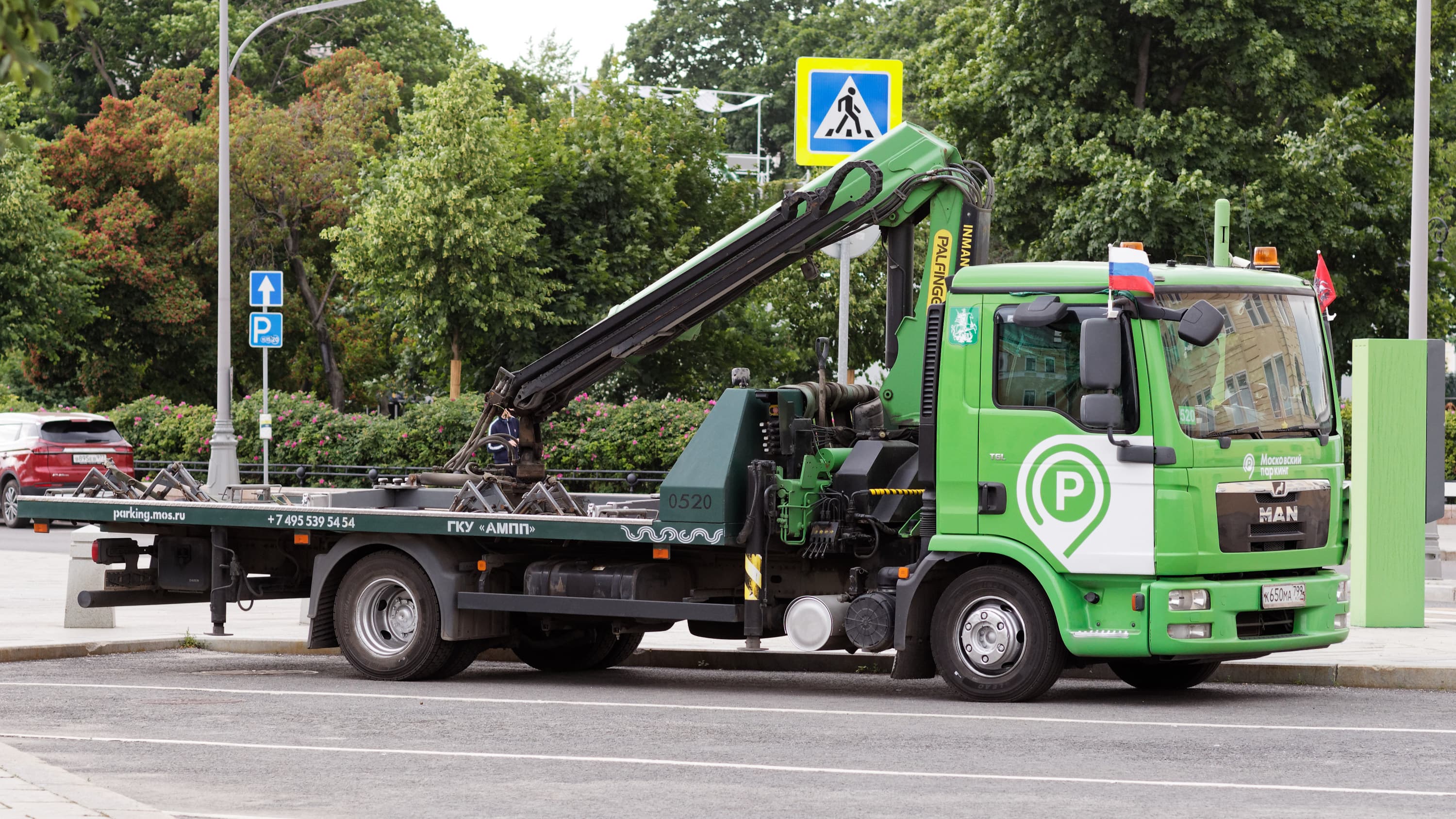
Yes — in most states you should remove your license plates before you sell or junk a car. The plates are registered to you, not to the vehicle, so leaving them on a car you no longer own can leave you on the hook for tolls, parking tickets, or worse if the new owner or a salvage yard does anything questionable with the car. Take a screwdriver, unbolt the front and rear plates, and keep them.
The short version: pull the plates, cancel or transfer your registration, and notify your DMV that you no longer own the vehicle. Do those three things and you've protected yourself.
Why the plates matter
A license plate isn't part of the car the way the tires or the engine are. It's a credential the state issued to you. Until the state's records show the car is no longer yours, anything that happens under that plate can trace back to your name — unpaid toll-road charges, red-light camera tickets, or a police stop. That's the real reason to take them off: it's about liability, not the small piece of metal.
This is true whether you're selling to a private buyer, trading in, or scrapping the car for cash. When a car is junked or dismantled, the plate has no reason to stay with it, and you don't want a stray plate floating around attached to your name.
Do you transfer license plates to your next car?
In many states, plates belong to the owner, not the vehicle, so you can transfer them to your next car instead of turning them in. If you're buying a replacement vehicle, ask your DMV about moving your existing plates over — it often saves you the cost of brand-new plates and keeps a number you already know by heart.
Rules vary by state, though. Some states keep the plate with the car and require the seller to leave it on; others require you to surrender plates when you cancel registration. A few personalized or specialty plates have their own transfer paperwork. Because it genuinely differs from one state to the next, check your own DMV's website for the exact rule before you assume — it's a two-minute search.
What to do with the old plates
If you're not transferring the plates to another vehicle, you generally have a few options depending on your state:
Return them to the DMV. Some states ask you to surrender plates when you cancel or don't renew registration. Turning them in creates a clean record that you've released the vehicle.
Hold onto them briefly if you're replacing the car soon and plan to transfer the number.
Destroy or recycle them once registration is fully cancelled and you no longer need them — many people cut the plate in half or scratch out the numbers so it can't be reused.
Whatever you do, don't leave them in the glovebox of a car you're handing off. That's the one move that undoes all the protection.
Cancel your registration and notify the DMV
Removing the plate is step one; telling the state is step two. Most DMVs have a "notice of transfer" or "release of liability" form you file when you sell or dispose of a vehicle. Filing it moves the liability off your name as of the date you gave up the car. If you skip it, the state may still consider you the registered owner even after the car is gone.
Cancelling registration can also matter for your insurance and, in some states, for a partial refund of prepaid registration fees. Keep any receipt or confirmation number the DMV gives you — it's your proof that you released the vehicle.
What about junking a car with no plates?
You don't need your license plates on the car to sell it for scrap or salvage. What you generally do need is proof of ownership — usually the title, and a photo ID. The plates come off and stay with you; the title signs over to the buyer. If your title is lost, most states have a process to get a duplicate or, in some cases, to sell a low-value junk car with alternate paperwork.
The bottom line
Before any car leaves your hands: unbolt both plates, decide whether to transfer them to your next car or surrender them, file your DMV's release-of-liability or transfer notice, and keep your paperwork. Do that and the car — and any tickets that come with it — is officially no longer your problem.
If you're ready to turn a car you no longer want into cash, we make the handoff simple and walk you through the title and plate steps. Get your free offer and we'll take it from there.
Related articles
- Tax Tips When You Sell or Donate a Car
- How to Avoid Junk-Car-Removal Scams
- What to Do After You Sell Your Car (Insurance & Registration)